
 Quori
QuoriFeatures
Explore the modular design, configuration options, and evolution of the Quori platform.
Configurations
Preview supported module combinations by toggling different parts. Drag the robot to rotate.
Modules
Modules
Review each module and how it fits into Quori’s modular configurations.
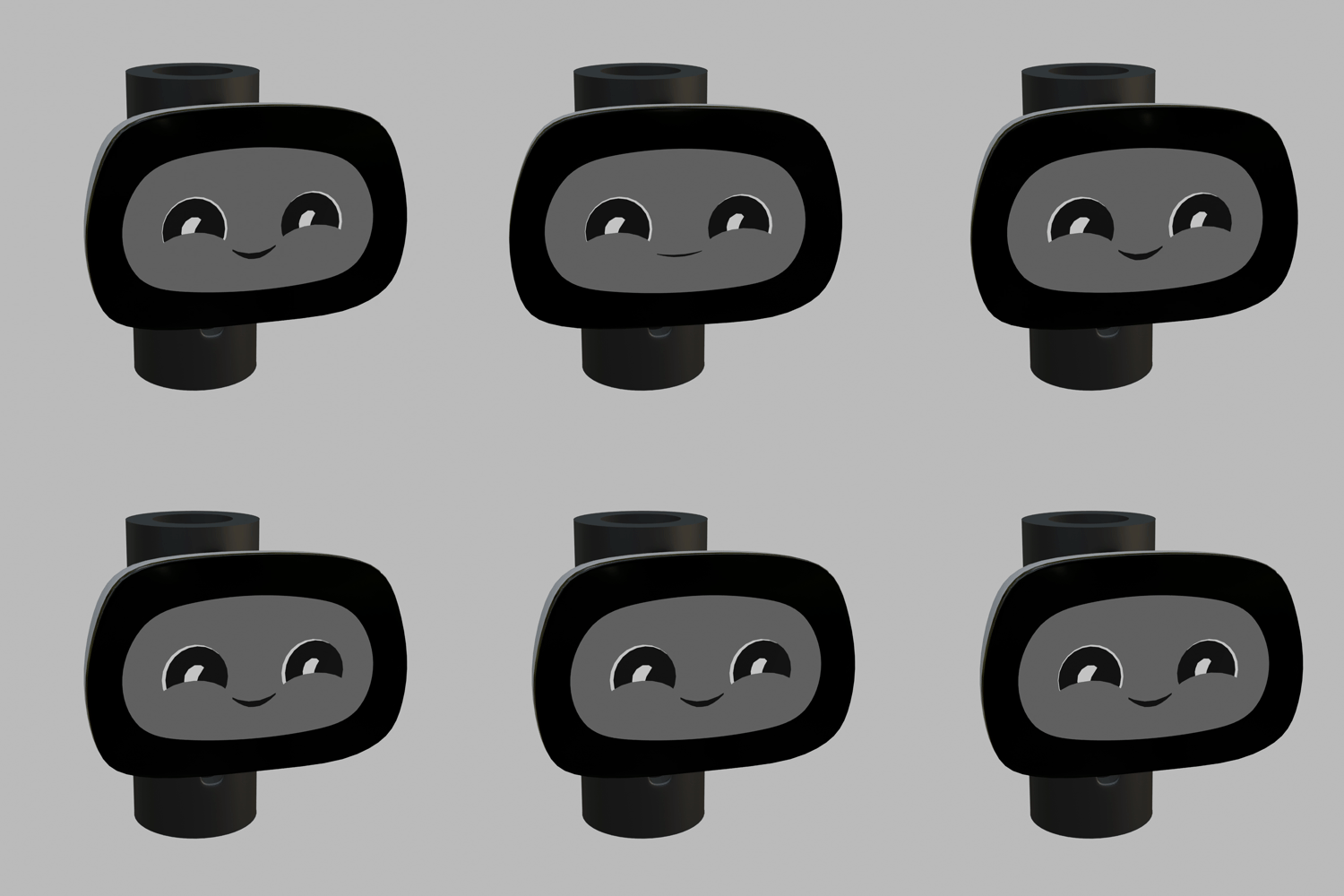
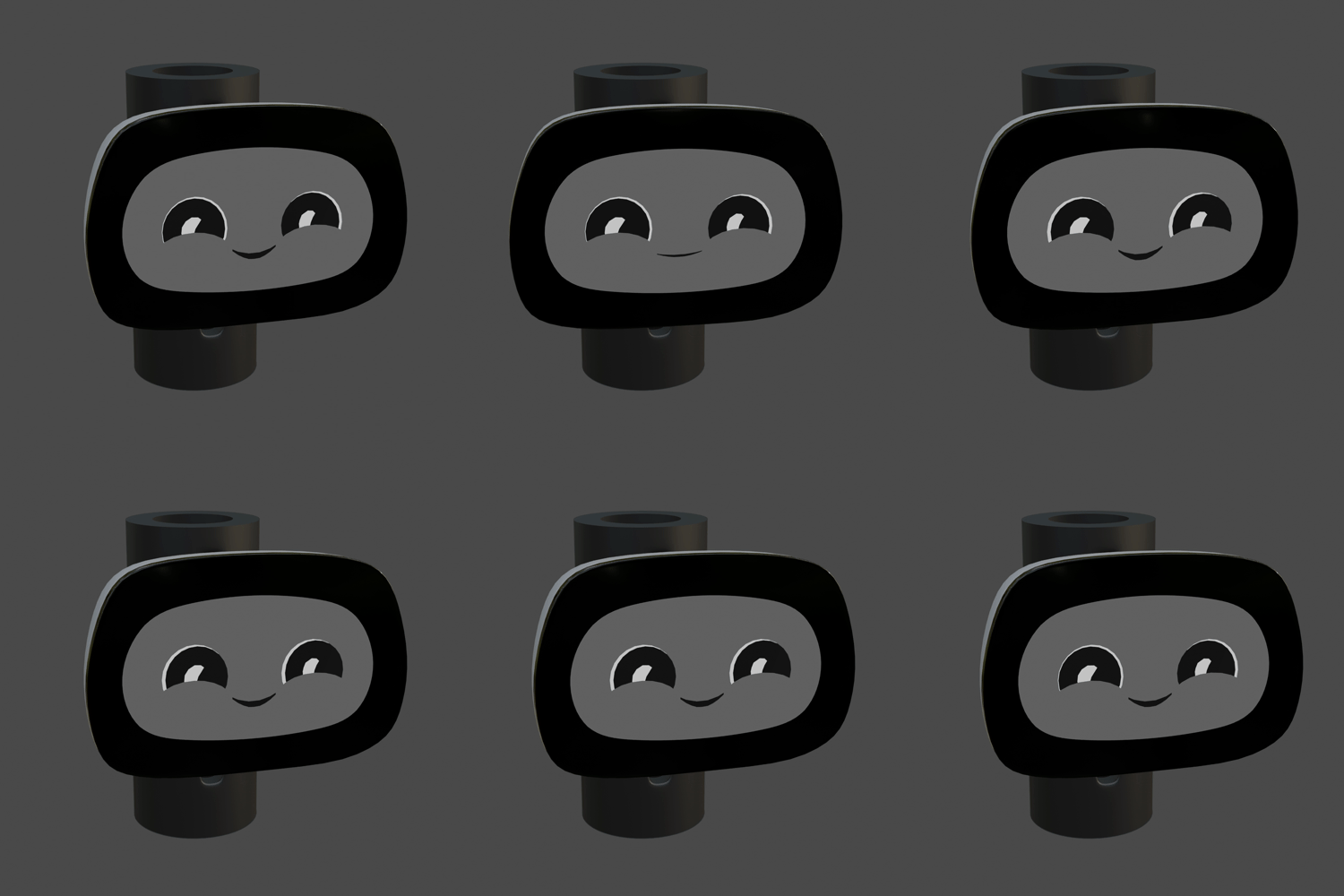
Head
Core sensing and expressive interaction surface.
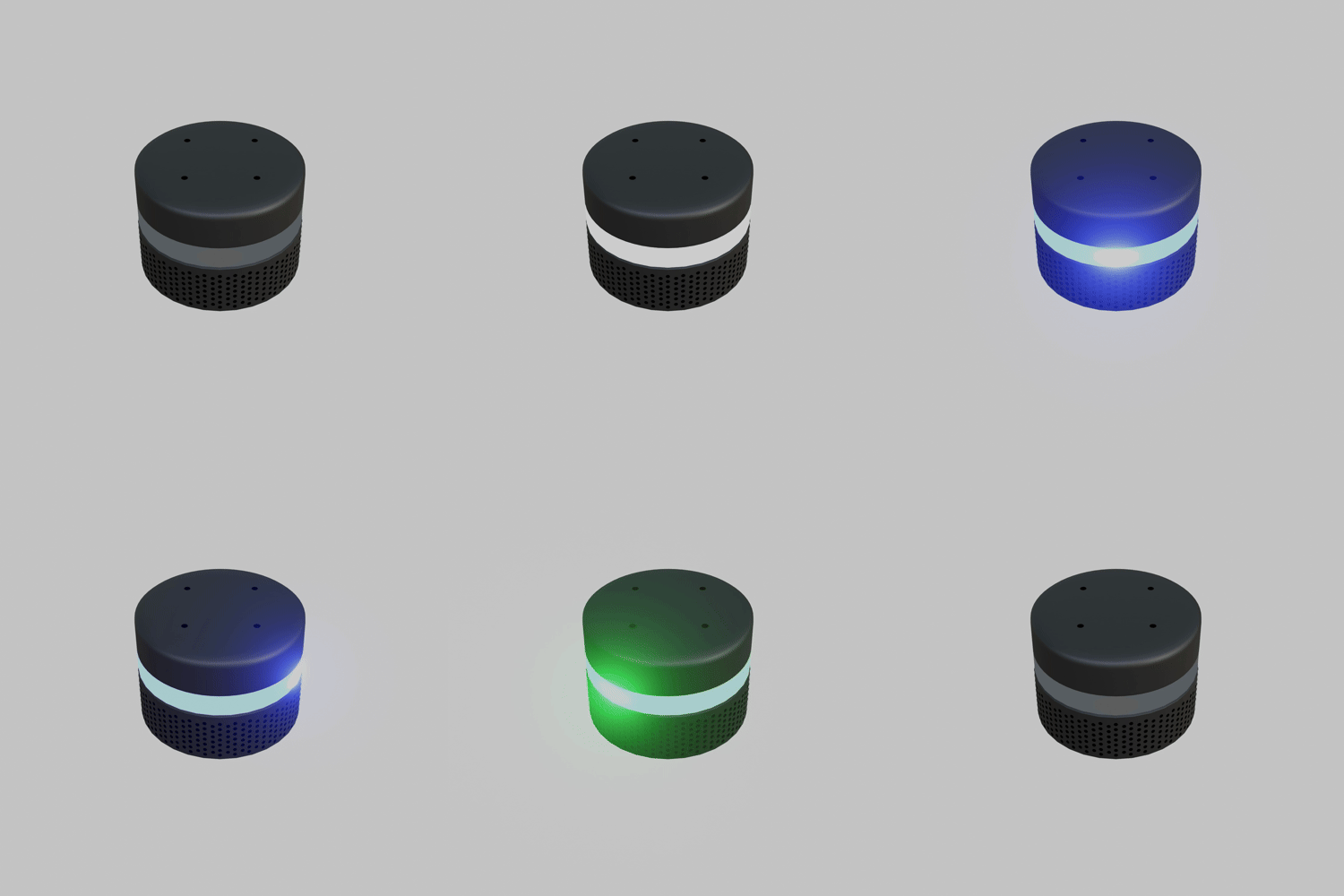
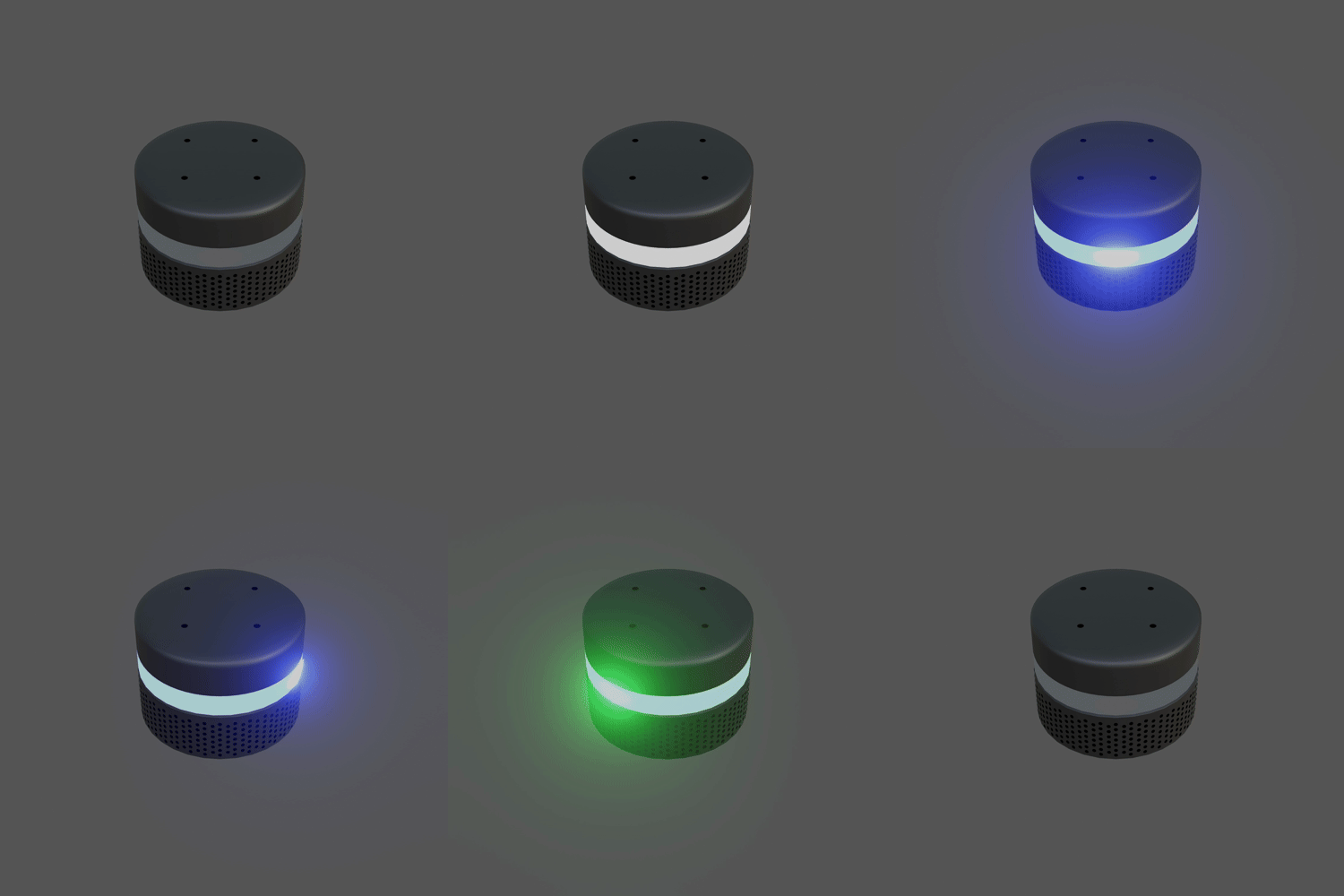
Smart Speaker
Audio input/output module for spoken dialogue and human-robot interaction.
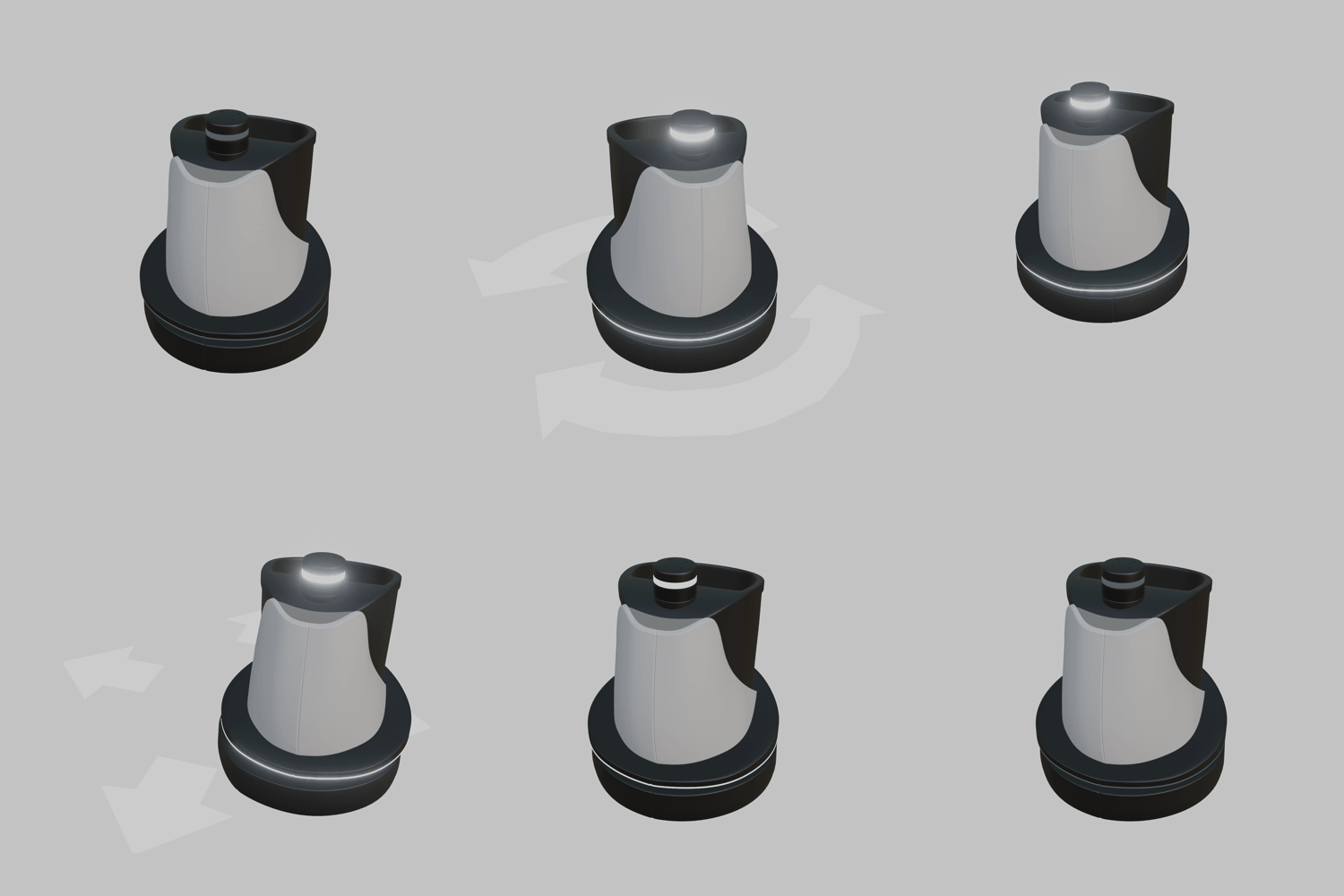
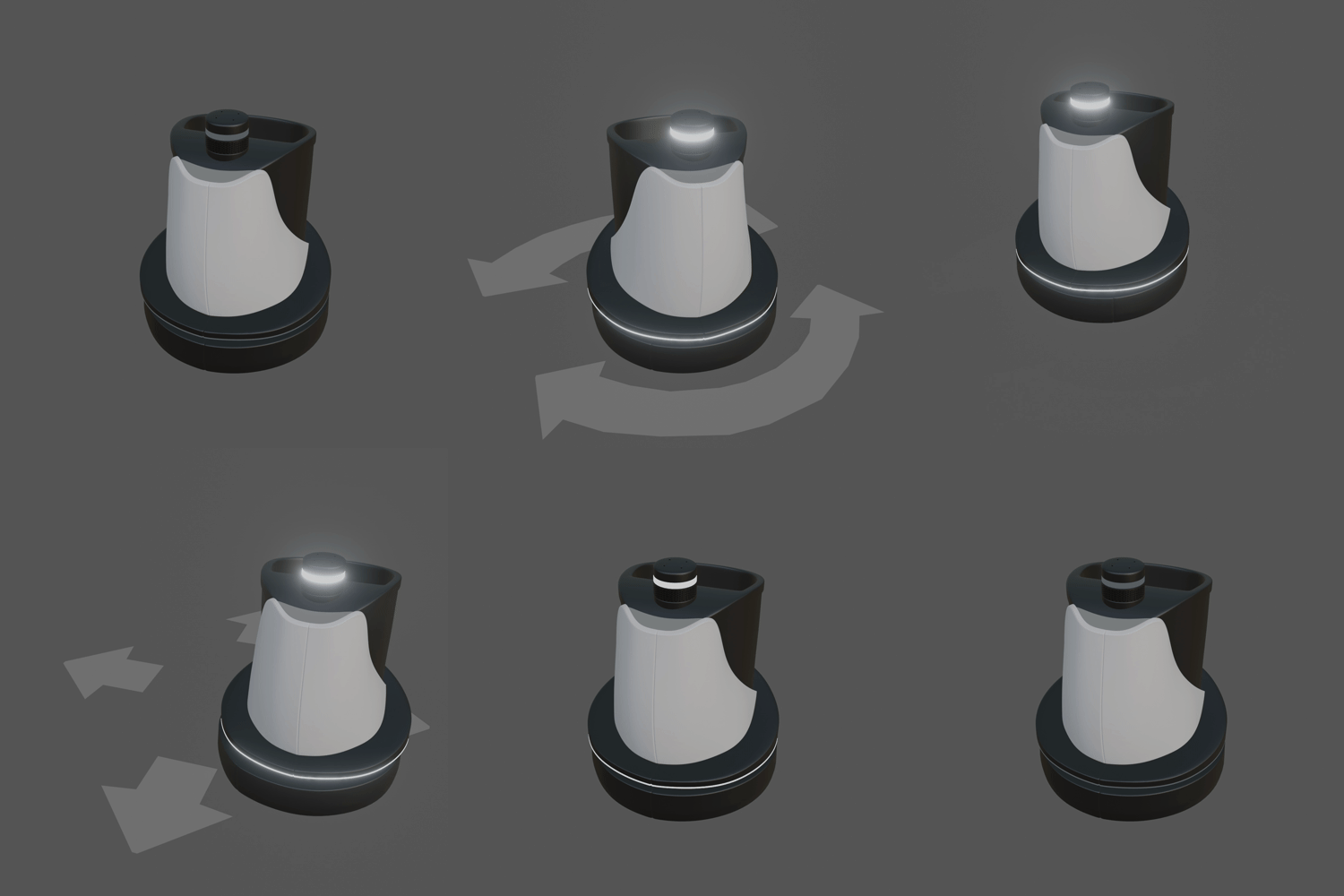
Mobile Base
Locomotion platform for navigation and mobile studies.
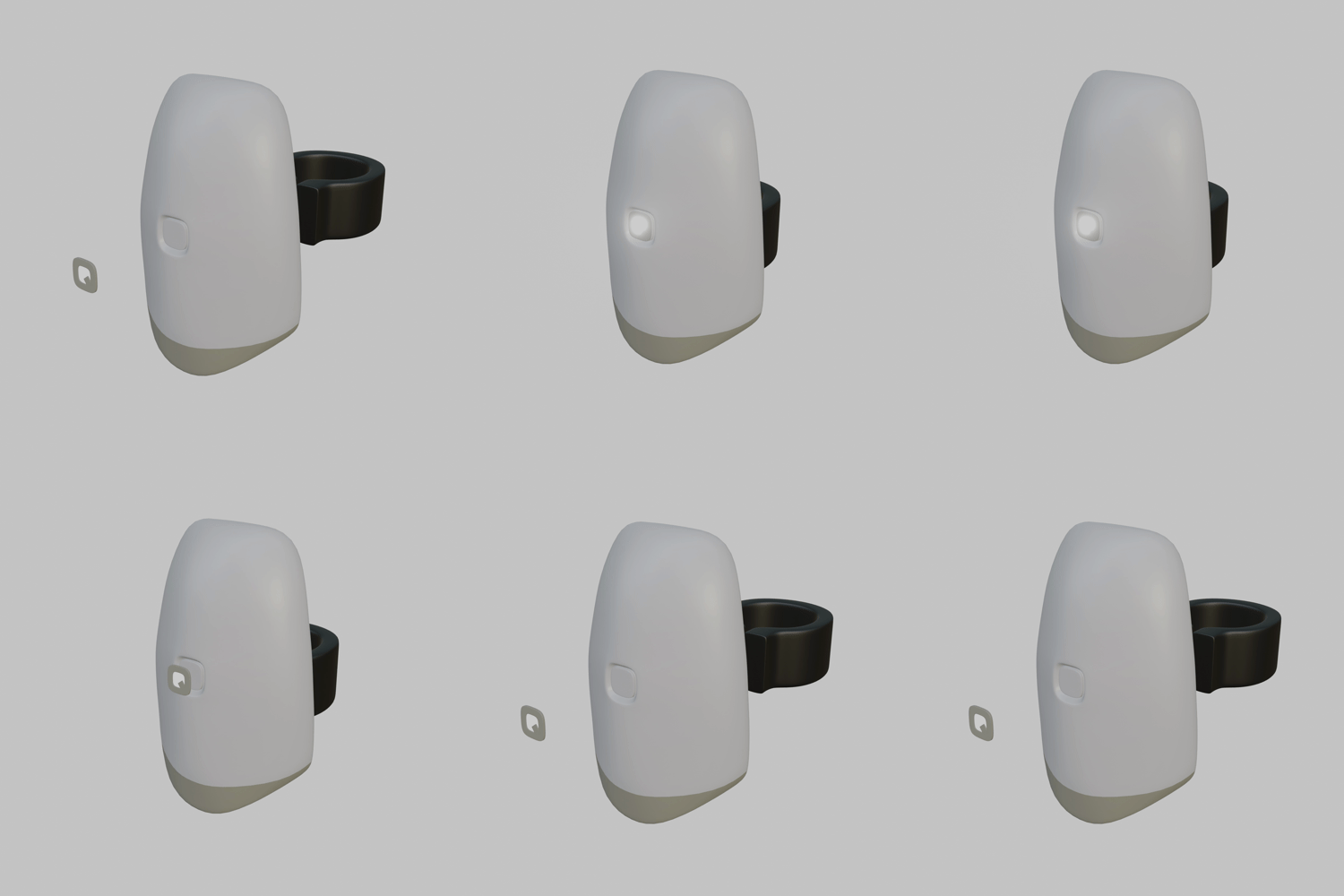
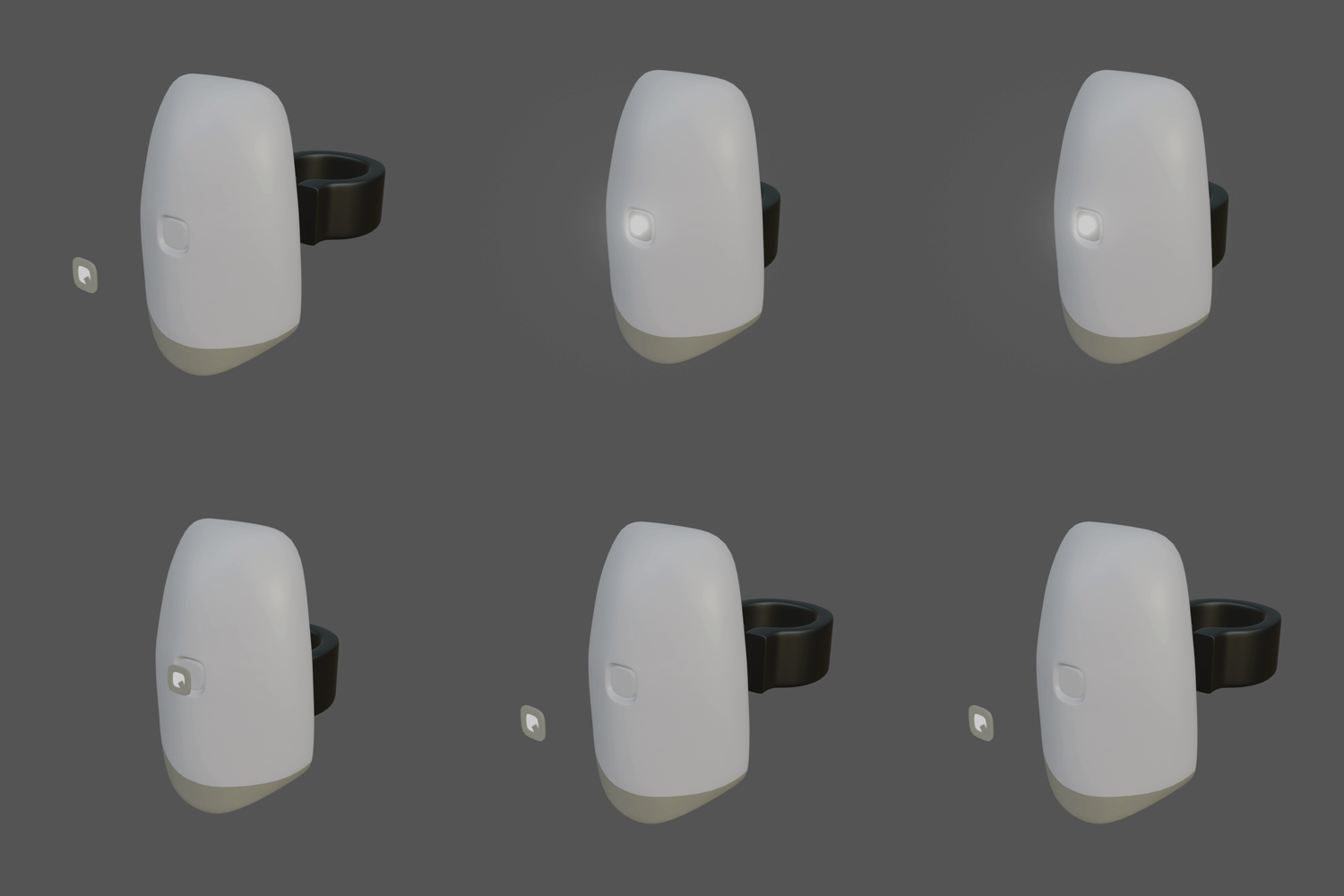
Chest
Front fascia for sensors, displays, and branding.
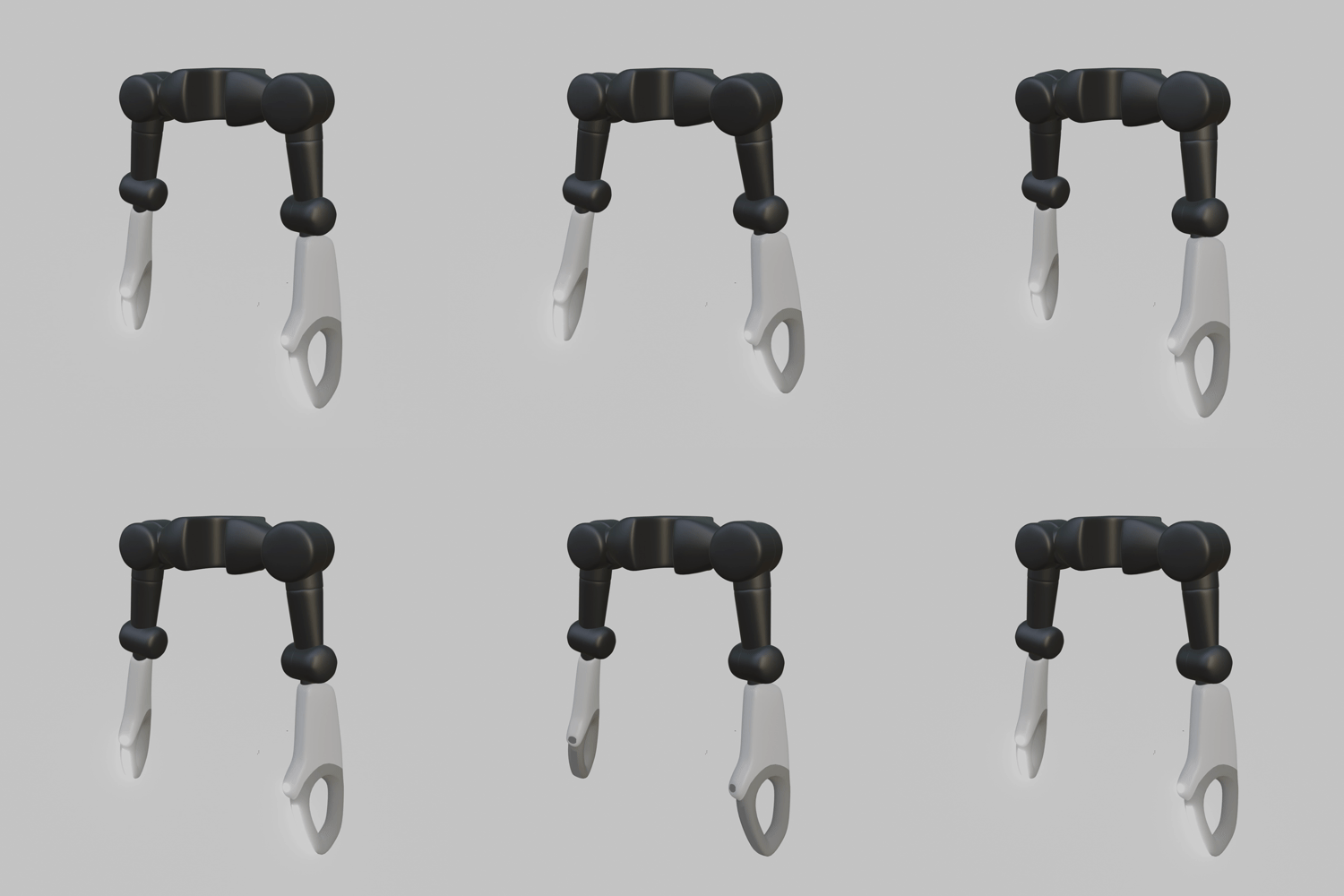
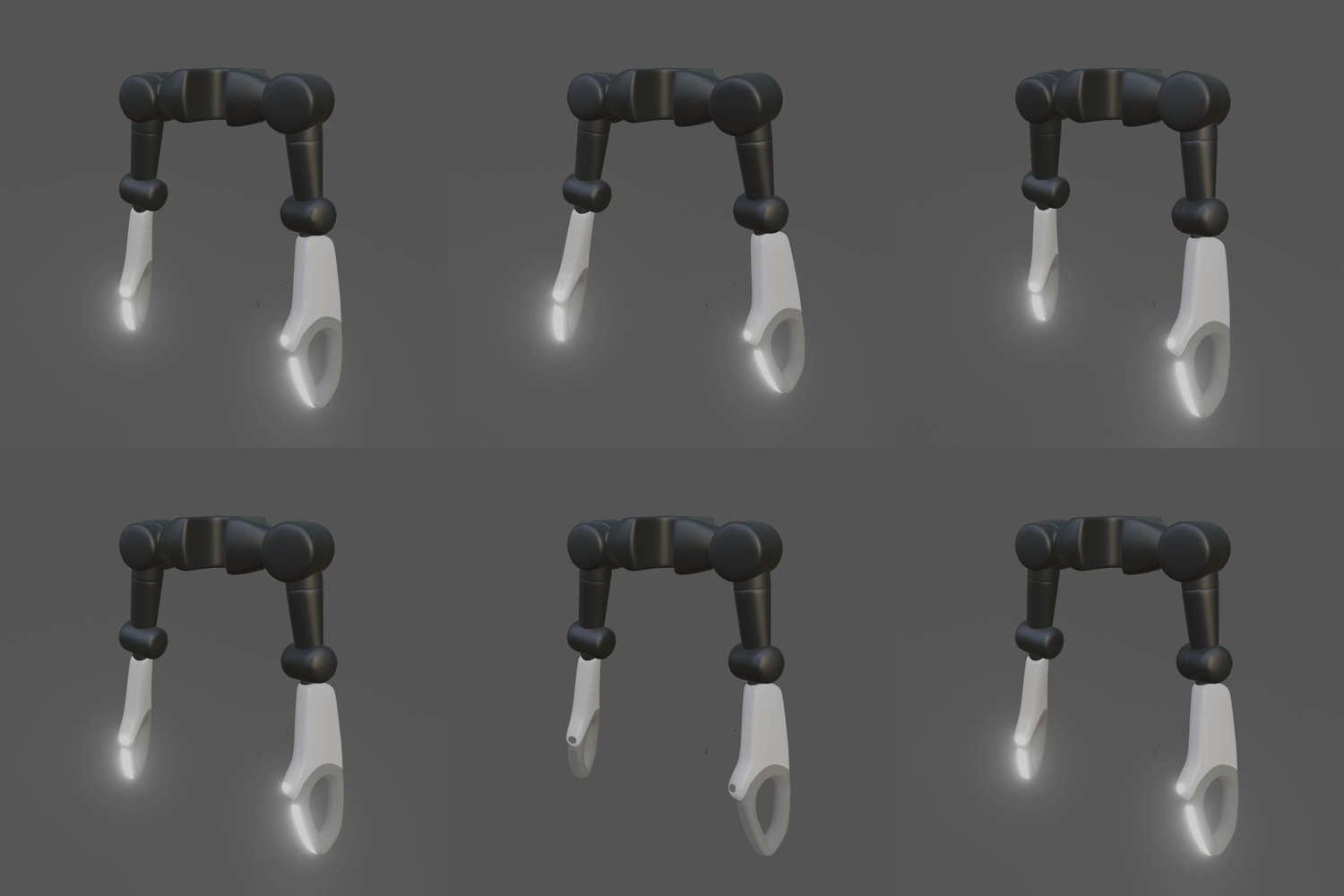
Arms
Optional manipulation modules mounted behind the torso.
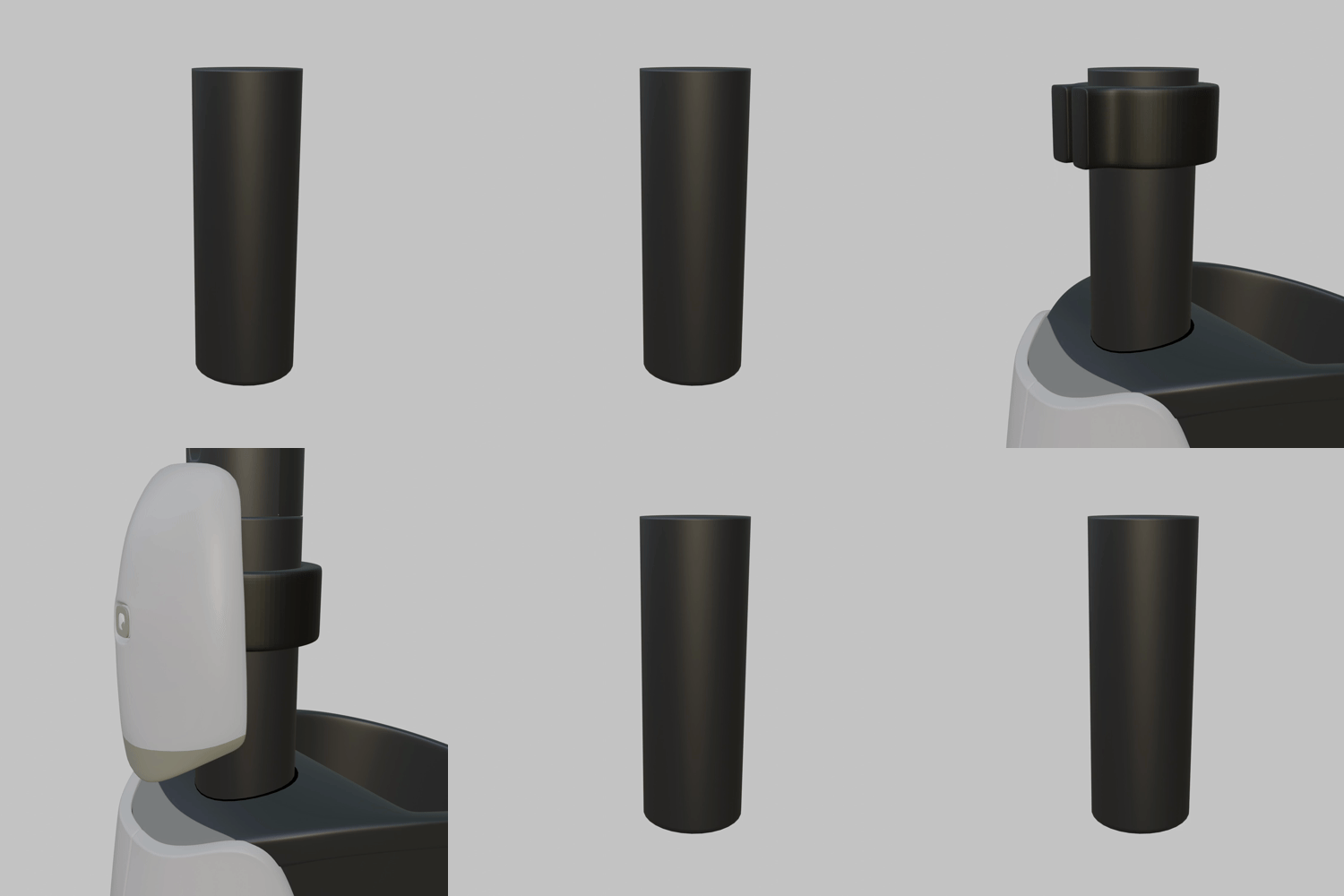
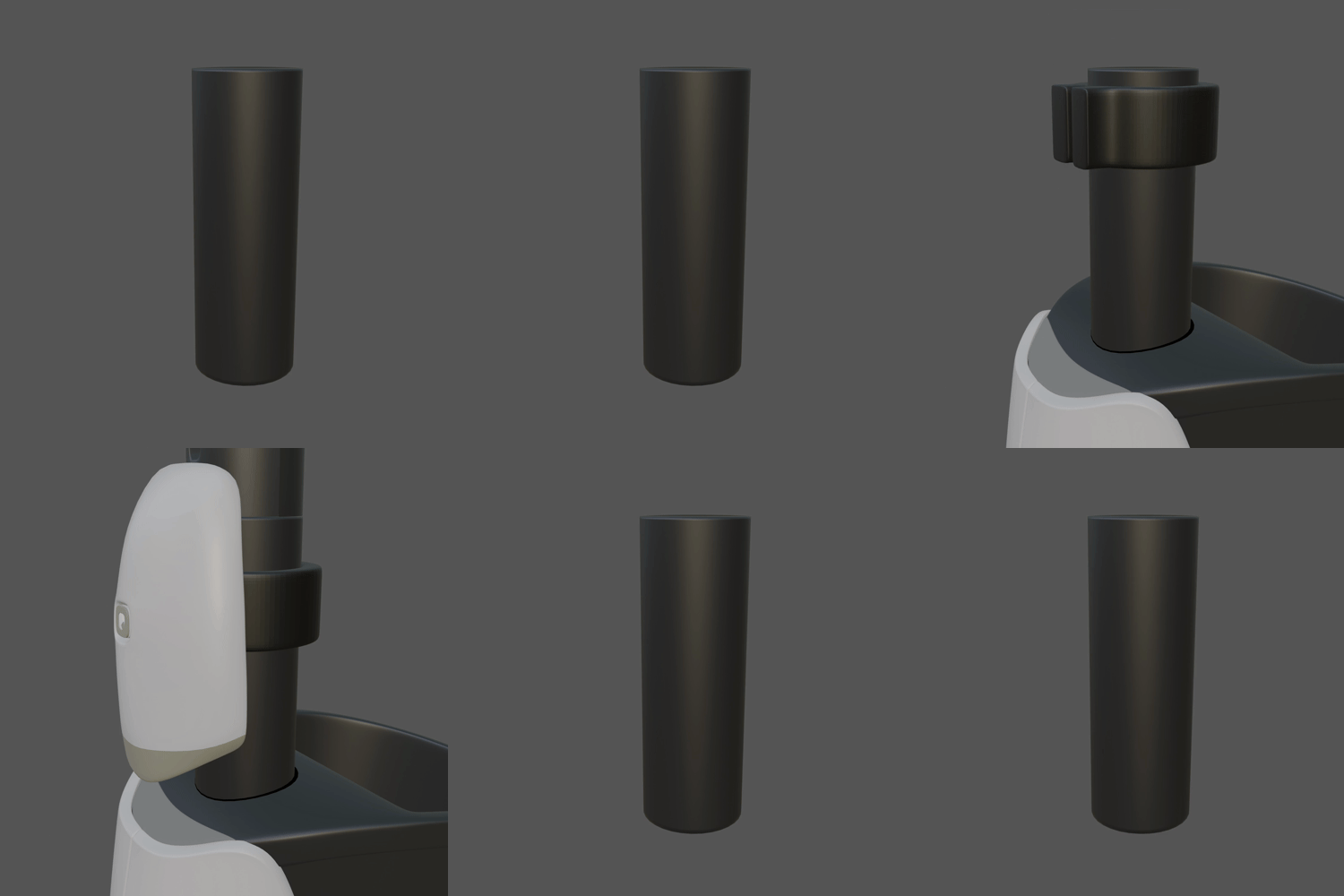
Torso
Adds stability and mounting space for arms and chest modules.
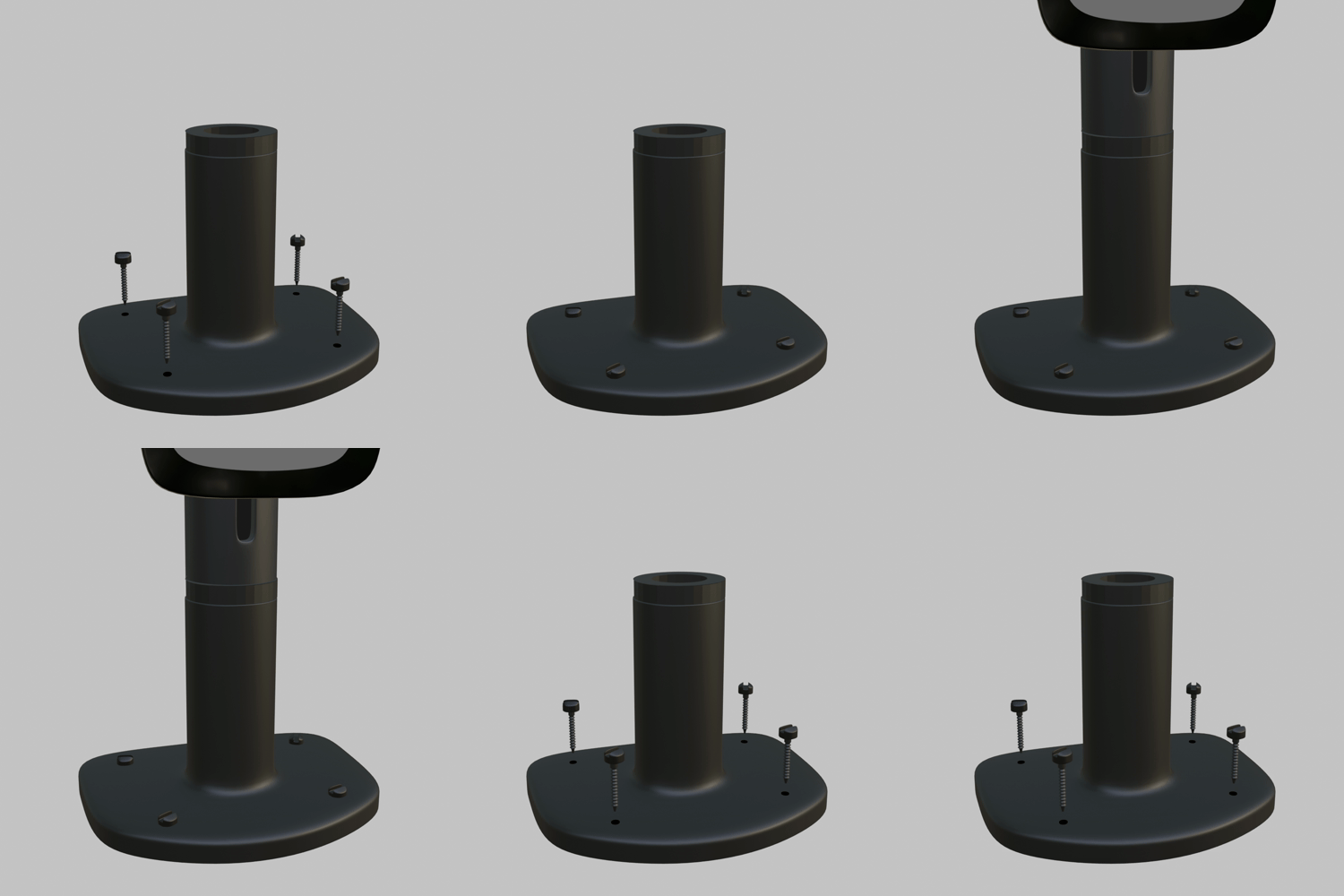
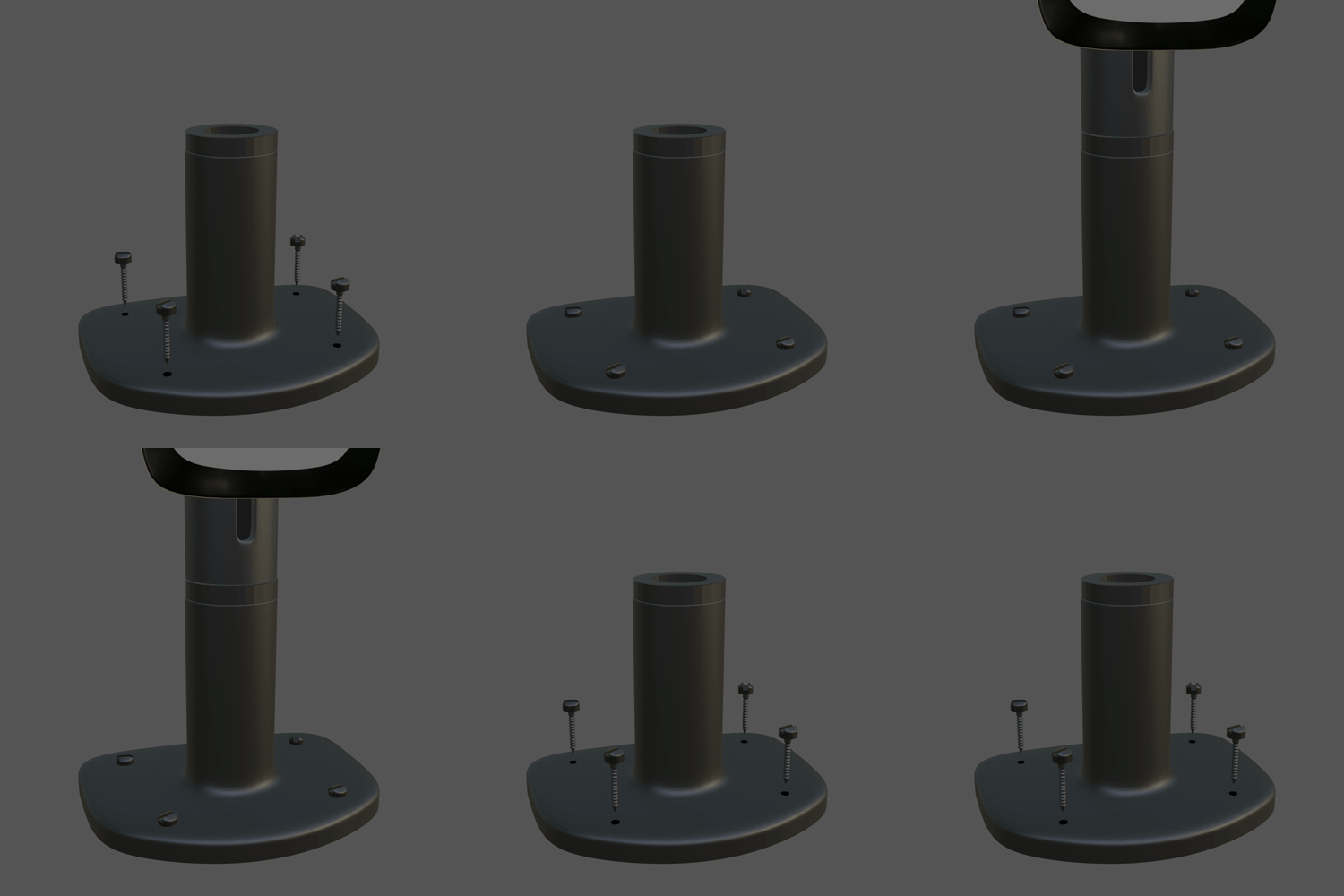
Stand
Stationary base option.
Quori V1 vs V2
A quick snapshot of what's new in the latest generation.
Model comparison
Temporary values for illustration; update with final specs as they are finalized.
| Feature | Quori V2 | Quori V1 |
|---|---|---|
Availability Access to hardware for research teams. | NSF-funded manufacturing and distribution of 50 robots. | 10 units distributed to select US research institutions. |
Hardware modularity Swap or upgrade major components. | Seven modules: head, speaker, torso, chest, arms, mobile base, stand. | Integrated head, torso, spine, arms, and base with removable panels. |
Sensors and perception Core sensing payload for HRI studies. | RGB+D camera, IMUs, dual LiDARs, microphone array, light arrays. | Depth + RGB cameras, microphone array, touch and proximity sensors. |
Interaction surfaces How Quori communicates and expresses intent. | Touchscreen display, light arrays, and modular arms. | Rear-projected animated face and gesturing arms. |
Degrees of freedom Key articulation and mobility degrees. | 3-DOF head, 4-DOF per arm, holonomic base (x, y, θ). | 2-DOF per arm, turret rotation, articulated spine, holonomic base. |
Mobility and form factor Locomotion and physical configuration options. | Holonomic 3-DOF base with telescoping pole and onboard storage. | Omnidirectional base with bowing spine, ADA-compliant footprint. |
Software stack Core autonomy, social behaviors, and tooling. | ROS 2 autonomy, social behavior layer, and GUI dev tools. | ROS-based control interfaces plus browser tools for content. |
Availability
Access to hardware for research teams.
Hardware modularity
Swap or upgrade major components.
Sensors and perception
Core sensing payload for HRI studies.
Interaction surfaces
How Quori communicates and expresses intent.
Degrees of freedom
Key articulation and mobility degrees.
Mobility and form factor
Locomotion and physical configuration options.
Software stack
Core autonomy, social behaviors, and tooling.
Connect With Us
Join our community and stay informed about our initiatives